Materials
The Materials That Make a Super Clone Convincing
By Avaa SmithMay 18, 20265 min read
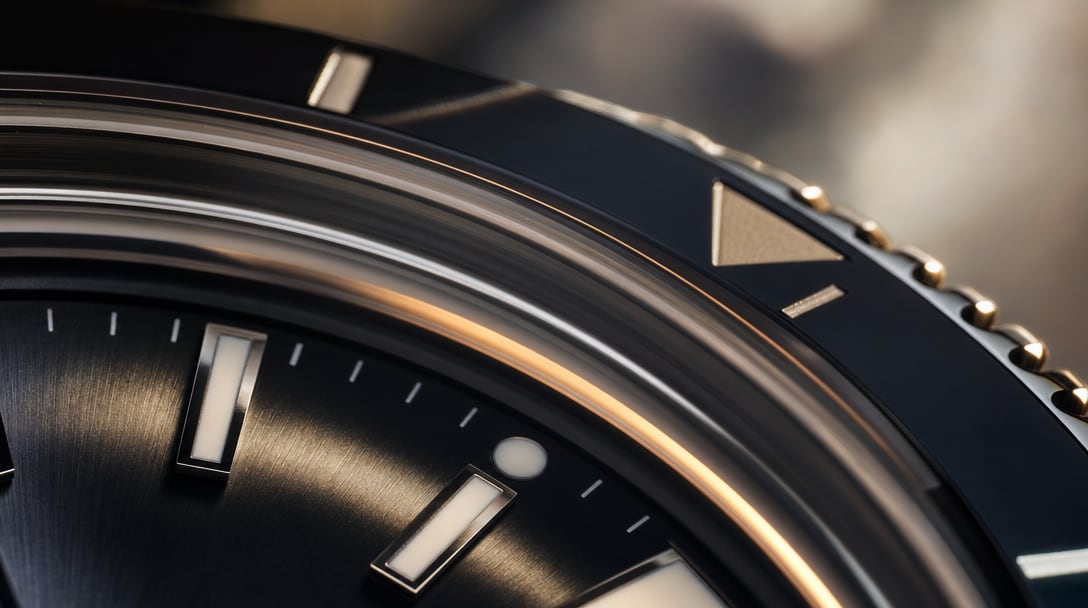
Two clones of the same reference can feel completely different in the hand, and the reason is almost always materials. The factories that get ceramic, steel and crystal right produce watches that pass; the ones that cut corners there never quite do.
Cerachrom ceramic bezels
Rolex's ceramic bezels are deeply glossy, scratch-resistant and engraved with metal-filled markings. A convincing clone reproduces that gloss and the crisp engraving; a cheap one uses a painted or aluminium insert that looks flat and wears quickly. The bezel is the first thing the eye reads, so this matters more than almost anything.
904L (Oystersteel)
Genuine Rolex uses 904L steel, which takes a brighter, more resistant polish than the 316L most watches use. The better factories now use 904L too, and it shows in the way the case catches light and resists marks. It's also why a quality clone has the right heft — cheap steel feels light and wrong.
Sapphire crystal
A proper sapphire crystal is virtually scratch-proof and sits with the right clarity and anti-reflective tint. Lower-tier clones sometimes substitute mineral glass, which scratches and reflects differently. Breathe on the crystal and watch how it clears — a small tell that separates the tiers.
Browse the collection
Every Rolex super clone we carry, with its movement, factory and price.
View the collection →Frequently asked
What materials should a good super clone use?
Cerachrom-style ceramic bezels with metal-filled engraving, 904L (Oystersteel) for the case and bracelet, and genuine sapphire crystal. These three are what give a convincing clone its gloss, weight and durability.
More from the journal