Context
The Rise of the Super Clone
By Avaa SmithMay 6, 20266 min read
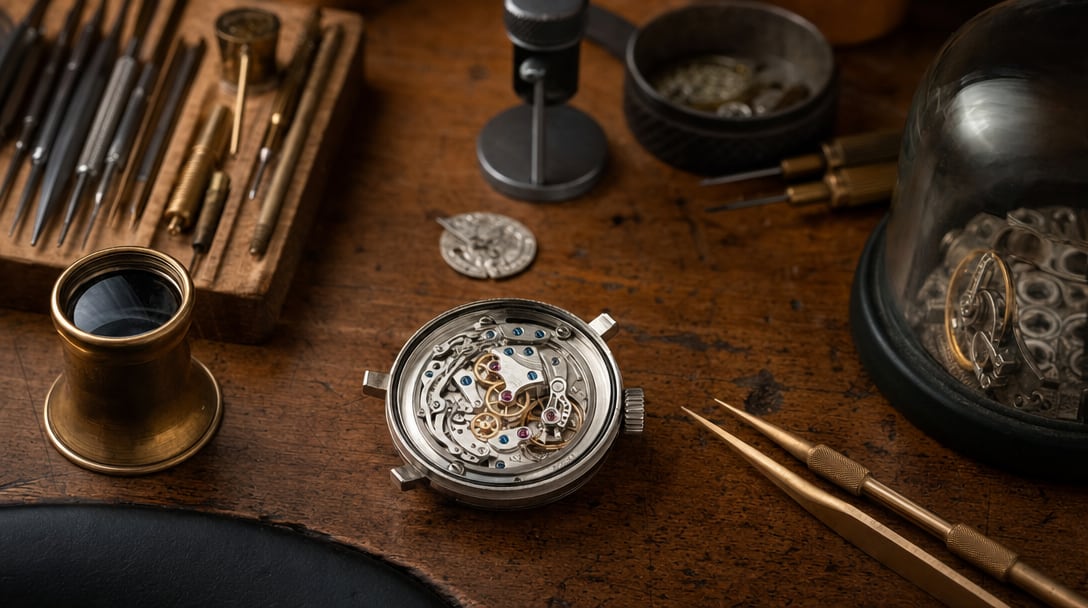
A decade ago, spotting a fake was easy: wrong proportions, a ticking quartz movement, a misspelled dial. Today the best clones fool enthusiasts. The shift wasn't luck — it was the industry reorganising around specialisation and reverse-engineering.
From generalists to specialists
The turning point was factories choosing to perfect one reference at a time instead of copying everything badly. A workshop that tools up specifically for the Daytona, or the Submariner, or the Datejust, can hold tolerances a generalist never could. That's why today the factory code matters as much as the reference.
Cloning the movement, not hiding it
The biggest leap was movements. Instead of hiding a generic automatic behind a luxury dial, the leading factories reverse-engineered the genuine calibers — the chronograph layout, the independent GMT hand, the power reserve. Once the movement behaved correctly, the last obvious tell disappeared.
Where it goes next
Materials and finishing keep closing the gap, and new references get cloned faster than ever. The genuine article will always hold the ground that matters — authenticity, finishing, resale — but the distance the eye can see keeps shrinking. That's the story of the super clone, and it's still being written.
Browse the collection
Every Rolex super clone we carry, with its movement, factory and price.
View the collection →Frequently asked
Why are super clone watches so much better now?
Two reasons: factories specialised, perfecting one reference at a time to hold tighter tolerances, and they began reverse-engineering the genuine movements instead of hiding generic ones — removing the last obvious tell.
More from the journal